Attendance stability
Recurring sessions maintained strong participation even through seasonal scheduling shifts.
Each report combines registration logs, attendance trends, participant feedback, referral completion, volunteer training records, and budget review so community benefit is visible in practical terms.
The strongest outcomes came from consistent attendance, stronger family referral follow-through, and a wider bridge between heritage work and public participation.
Recurring sessions maintained strong participation even through seasonal scheduling shifts.
Households referred onward to support partners completed at least one documented next step.
Young residents engaged through choir rehearsals, archive activities, and volunteer preparation.
Average end-of-cycle satisfaction score across flagship programs and public events.
Residents supported logistics, welcoming, archival handling, event setup, and pastoral coordination.
Average structured preparation before volunteers moved into independent support roles.
Our public reports separate performance into participation, preservation, care pathways, and volunteer capacity so stakeholders can see where change is happening.

Retention improved when transport help, paired volunteering, and more predictable scheduling were introduced.
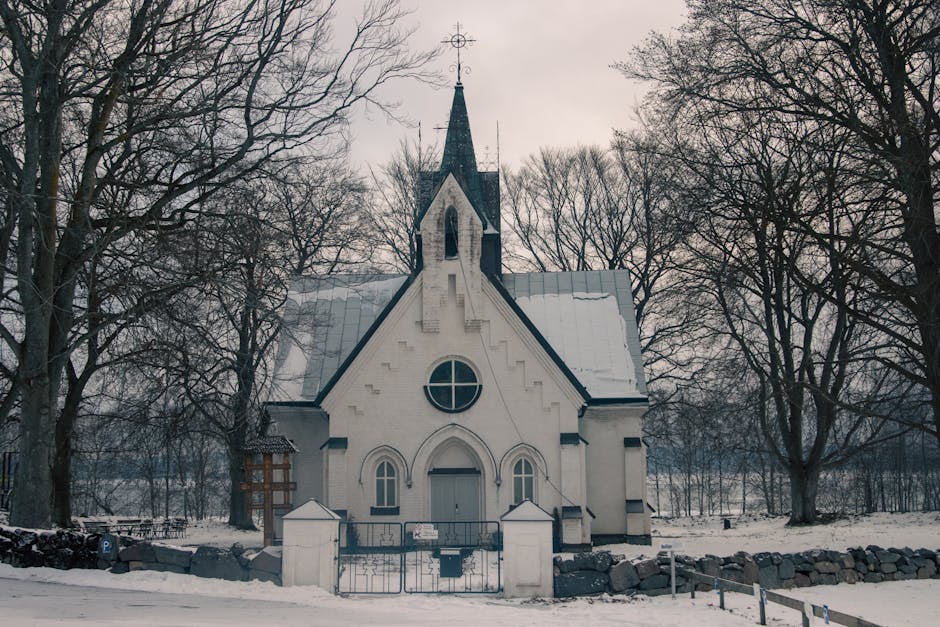
Resident contributions increased the quantity and quality of photographs, stories, and locally held records.
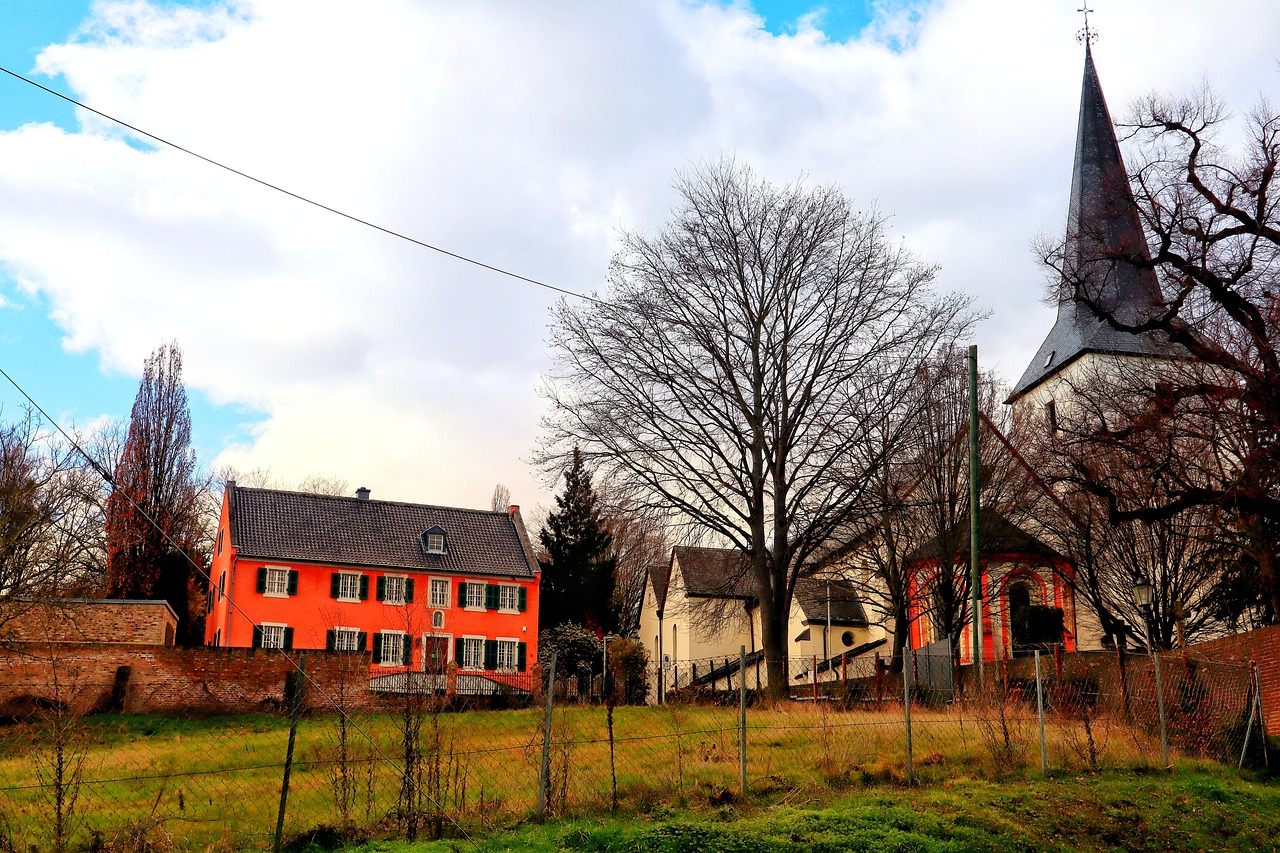
Direct introductions and follow-up reminders raised completion rates for external support appointments.

Clear role descriptions and module-based onboarding reduced last-minute staffing gaps for events.
The organization publishes simple year-over-year comparisons so supporters can see how resources are converted into delivery rather than hidden inside broad administrative categories.
These stories show how reporting moves beyond totals and into practical change for residents, volunteers, and local memory work.

Weather and transport had been reducing evening attendance. After introducing ride coordination and paired arrivals, youth choir completion rose from 68% to 89% in one winter cycle.

Structured onboarding modules reduced gaps in event staffing and helped volunteers move into named coordination roles with clearer accountability.

Archive material was reused in school and public presentations, turning collected records into active educational content instead of static storage.
The reporting process is designed to stay readable for residents while still being structured enough for funders, partners, and trustees.
Program leads log attendance, volunteer hours, and archive contributions during delivery.
Quarterly check-ins compare performance against participation, access, and safeguarding indicators.
Feedback notes and referral data are reviewed alongside budget lines to explain what the numbers mean.
Annual summary materials are prepared in both detailed and plain-language formats for public use.
Mid-year changes are made when attendance softens, support needs rise, or delivery capacity shifts.
Named leads review risks, consent handling, and appropriate anonymization before release.
Board leadership signs off on narrative summaries, financial notes, and procurement disclosures.
Published reports and underlying summaries are retained for comparison across reporting years.
The following document types are maintained as part of the organization’s standard transparency practice.
Combines outcomes, participation change, notable case studies, and a concise explanation of where resources were directed.
Includes accounts, explanatory notes, and high-level allocation summaries to support trustee and funder review.
Summarizes supplier categories, approval thresholds, and the rationale behind significant delivery purchases.