Support events, hospitality, and outreach logistics
Volunteer teams welcome guests, prepare refreshments, guide visitors during heritage days, and help keep public gatherings calm, inclusive, and well-run.
There are flexible ways to participate, whether you want to volunteer at seasonal events, join the choir, help preserve local history, or support families through practical community gatherings.
Some people help every week, some join for one season, and others support specific events. Each route has a clear purpose, expected time commitment, and named coordinator.
Volunteer teams welcome guests, prepare refreshments, guide visitors during heritage days, and help keep public gatherings calm, inclusive, and well-run.
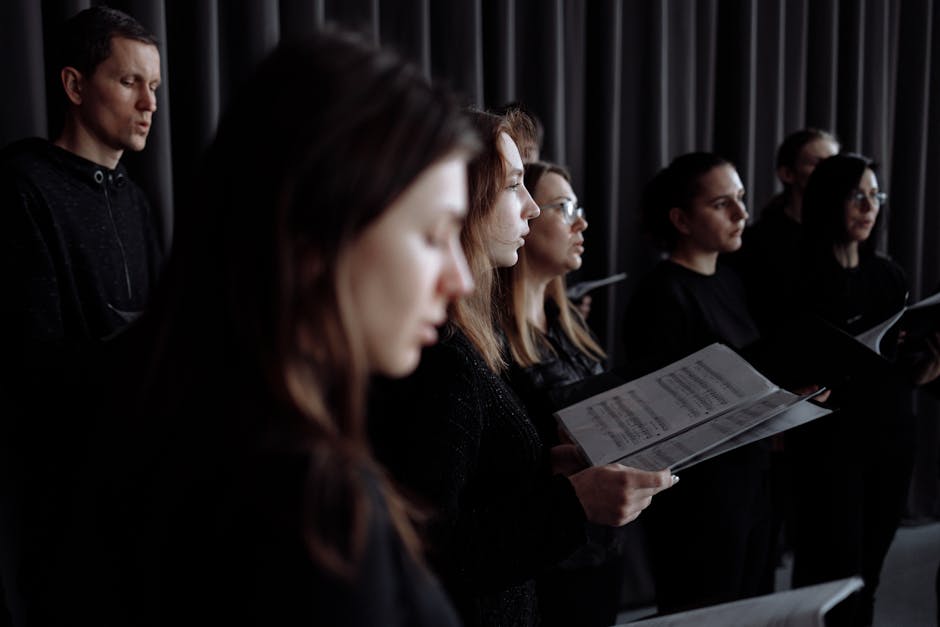
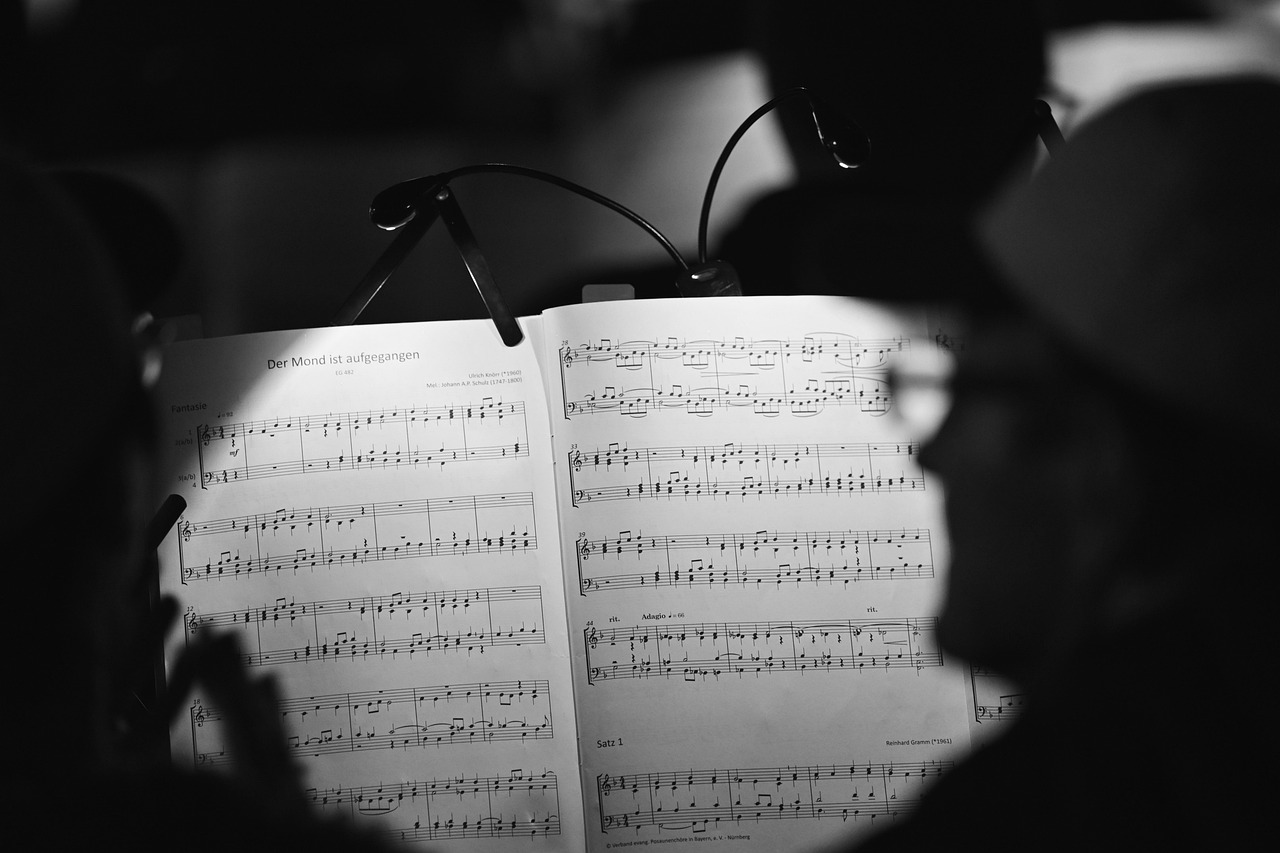
The choir welcomes regular singers and volunteers who can assist with music folders, attendance, transport coordination, and intergenerational performance planning.
These roles focus on table hosting, children’s activity support, practical setup, and making sure new households understand how to access the wider community network.
Archive volunteers help scan photographs, label materials, collect oral histories, and prepare exhibition content so local memory is recorded carefully and shared publicly.
The rhythm of participation follows church life, school terms, and heritage programming, so there are different entry points depending on the season.
New volunteers often begin here because training, calendar setup, and relationship-building all happen before the busiest event period.
This is the strongest fit for residents who want short, high-energy commitments tied to events and visitor engagement.
Longer-term participants often join here to stay active through winter rehearsals, workshops, and support sessions.
The organization keeps onboarding lightweight but structured, so people know where they fit and who to contact from the start.
Share whether you want a recurring role, occasional volunteering, or participation in a specific program.
A coordinator suggests the best fit based on timing, experience, and the type of community role you want.
New participants receive a short introduction to routines, expectations, communication, and safeguarding.
Most new volunteers begin alongside an experienced member before taking on independent tasks.
After the first cycle, the team checks whether the role, time pattern, and responsibilities still make sense.
Participants can move into leadership, mentoring, archive specialization, or event coordination over time.
These examples show how small, consistent contributions strengthen the organization’s day-to-day work and public events.
A volunteer coordination rota helped younger singers arrive on time, settle into rehearsals, and stay connected across the full performance cycle.
Volunteer hosts made shared meals more consistent and welcoming by handling setup, introductions, and quiet support for new participants.
Careful scanning and labeling by volunteers turned donated material into usable exhibits, discussion prompts, and school-facing heritage content.
Whether you want to join a program, volunteer at events, or contribute specialist skills, the team can direct you to the right starting point.
Best for choir interest, event volunteering, and people who want help finding the right starting role.
info@mnsarpskyrkoochhembygdskr.orgUse this route if you want to assist with recurring sessions involving children, households, or pastoral community care.
anna.johansson@mnsarpskyrkoochhembygdskr.orgIdeal for archive help, documentation, exhibit preparation, and other specialist contributions to the local history program.
anna.johansson@mnsarpskyrkoochhembygdskr.org